Over time, it is most likely that sea otters will die from pollution and global warming. They are already considered endangered species so it is not that likely that they will live for long. Otter sanctuaries and zoos may be able to keep the last of them.
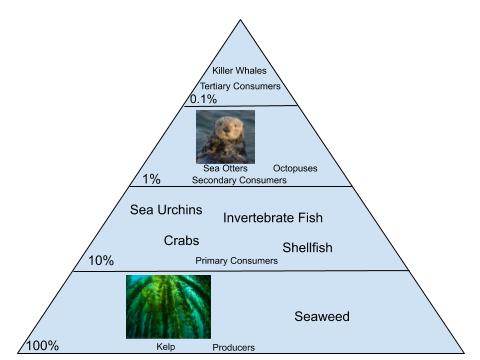
Energy Pyramid
Instructions
- Ecological Niche – What does your keystone species need to survive (resources and conditions)?
- Population of Species – Address population growth rate and what has affected the population of your species.
- Species Interactions – How does your keystone species interact with other species (mutualism, commensalisms, parasitism, predation)? Why is your species considered a keystone species?
- Biodiversity – Address the biodiversity of the species’ ecosystem? How extinction of your species affect biodiversity in your ecosystem?
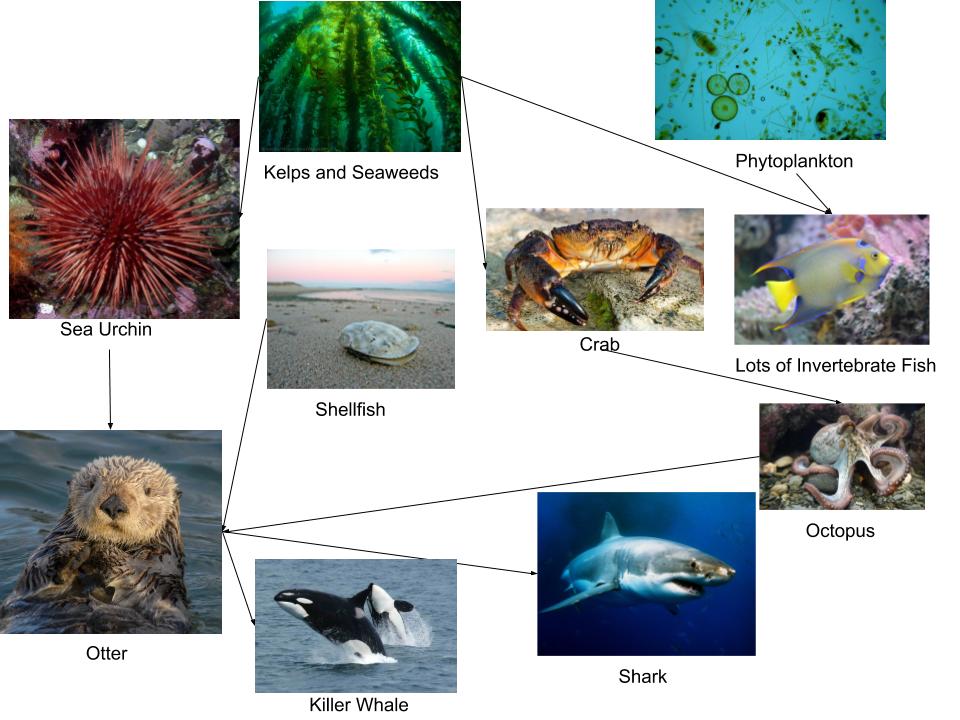
- Food Web – Create your own food web including your keystone species (must include 10 species and at least 4 levels; it must also be place in order according to the type of energy role it has. (Example: Decomposers on the bottom and 3rd level Consumers toward the top.) – ideas on how to create your food web are here (r choose another method
- Energy Pyramid – Create an energy pyramid including your keystone species and includes biomass and energy levels
- Evolution and Natural Selection – Address adaptations of your species that have allowed it to thrive in its ecosystem and how these adaptations led to natural selection.
- Ecosystem Services – What services are working to preserve your species and/or ecosystem? How?
- Climate Shifts – How has climate change affected your species and/or ecosystem?
- Species Movement – What factors have affected the range your species lives in and how have they affected it?
- Ecological Succession – How has ecological succession affected your species and/or ecosystem
Species Movement
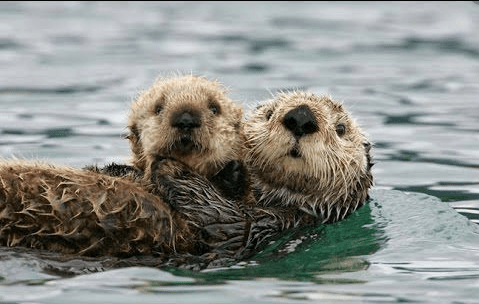
Sea Otters reside in usually one general place, and around kelp forests. As kelp forests are their natural habitats, Sea Otters do not usually venture outside them.
Ecosystem Services
Many ecosystem services are working to help protect the Sea Otter, as Sea Otters are recognized to be critical to the survival of kelp forests. The California Sea Otter Fund is notable for the help provided to Sea Otters, having raised as much as $3 Million Dollars for conservation efforts.
Food Web of the Otter
Evolution
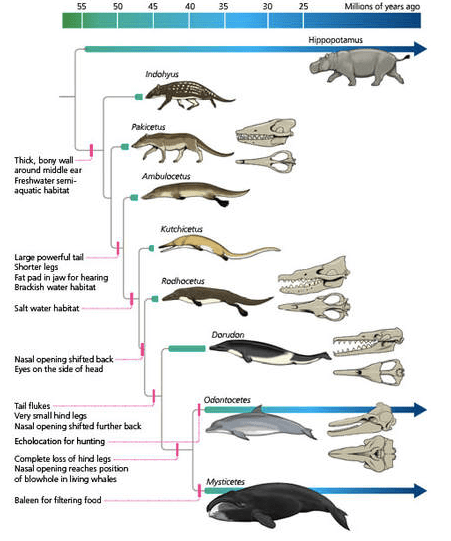
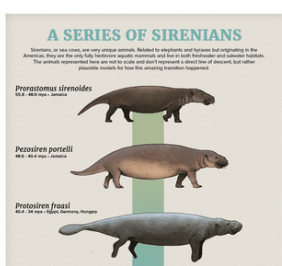
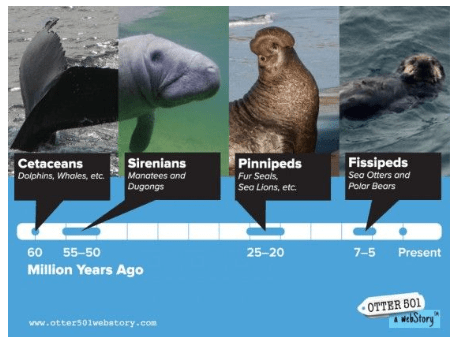
The modern sea otter evolved initially in northern Hokkaidō and Russia, and then spread east to the Aleutian Islands, mainland Alaska, and down the North American coast. Sea otters have evolved into two categories, one of which consists of those sea otters that primarily eat fish, and the other is made of those that eat primarily invertebrates.
Also, Modern Day Sea Otters have adapted to be able to use tools and having a coat of fur that helps them keep warm and float.
Biodiversity
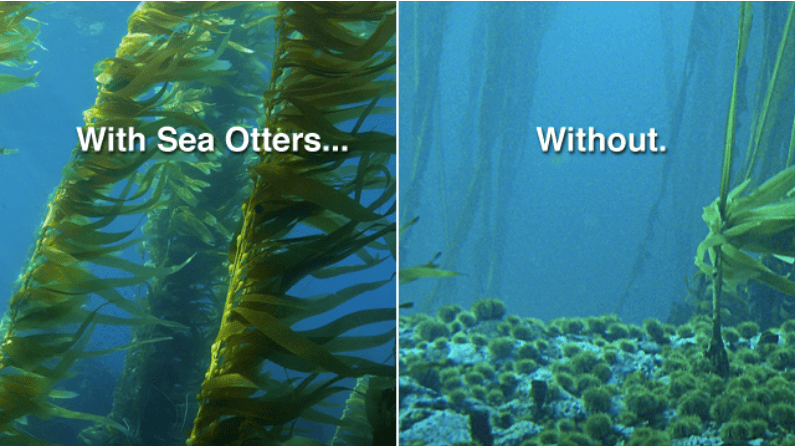
Sea Otters are vital to keeping the kelp forest healthy, as they eat sea urchins and other invertebrates that graze on the kelp forest. Without Sea Otters, kelp forests would disappear, which would be disastrous. Kelp forests play a huge part in the health of the Earth as they protect coastlines from storm surges and absorb vast amounts of harmful carbon dioxide from the atmosphere.
Works Cited
Sea urchin subject of aging research
https://en.wikipedia.org/wiki/Sea_otter_conservation
http://bioweb.uwlax.edu/bio203/s2008/bluske_brit/Interactions.htm
https://en.wikipedia.org/wiki/Sea_otter
https://www.newsweek.com/video-orca-pod-chasing-great-white-shark-atlantic-1471011
https://en.wikipedia.org/wiki/Killer_whale
https://www.foxnews.com/science/floridas-red-tide-blamed-for-lousey-stone-crab-season
http://true-wildlife.blogspot.com/2011/03/oyster.html
https://oceansaquarium.com/fish-coral-invertebrates
https://nytimes.com/2018/11/30/science/animal-intelligence-octopus-cephalopods.html
https://seaotters.com/2013/05/why-are-sea-otters-important-no-sea-otters-no-kelp-forests/
https://evolutionaryedges.weebly.com/the-sea-otter
https://seaotters.com/sea-otter-conservation/
Population
The Sea Otter population took a dive due to overhunting, and are now endangered. Sea Otter populations are covering. at rates of 17-20% yr-1.

 DAO Environmental Science Keystone Species